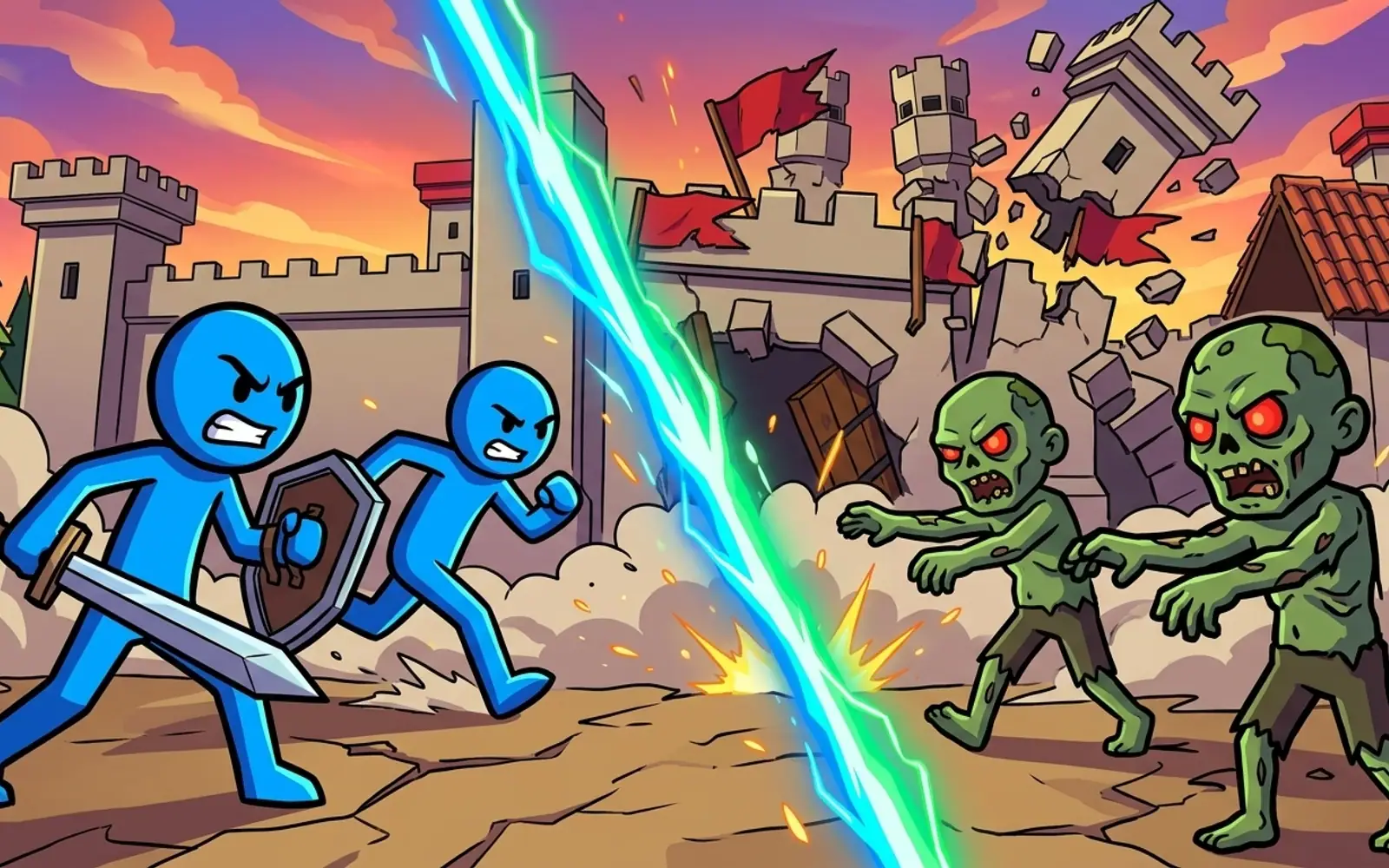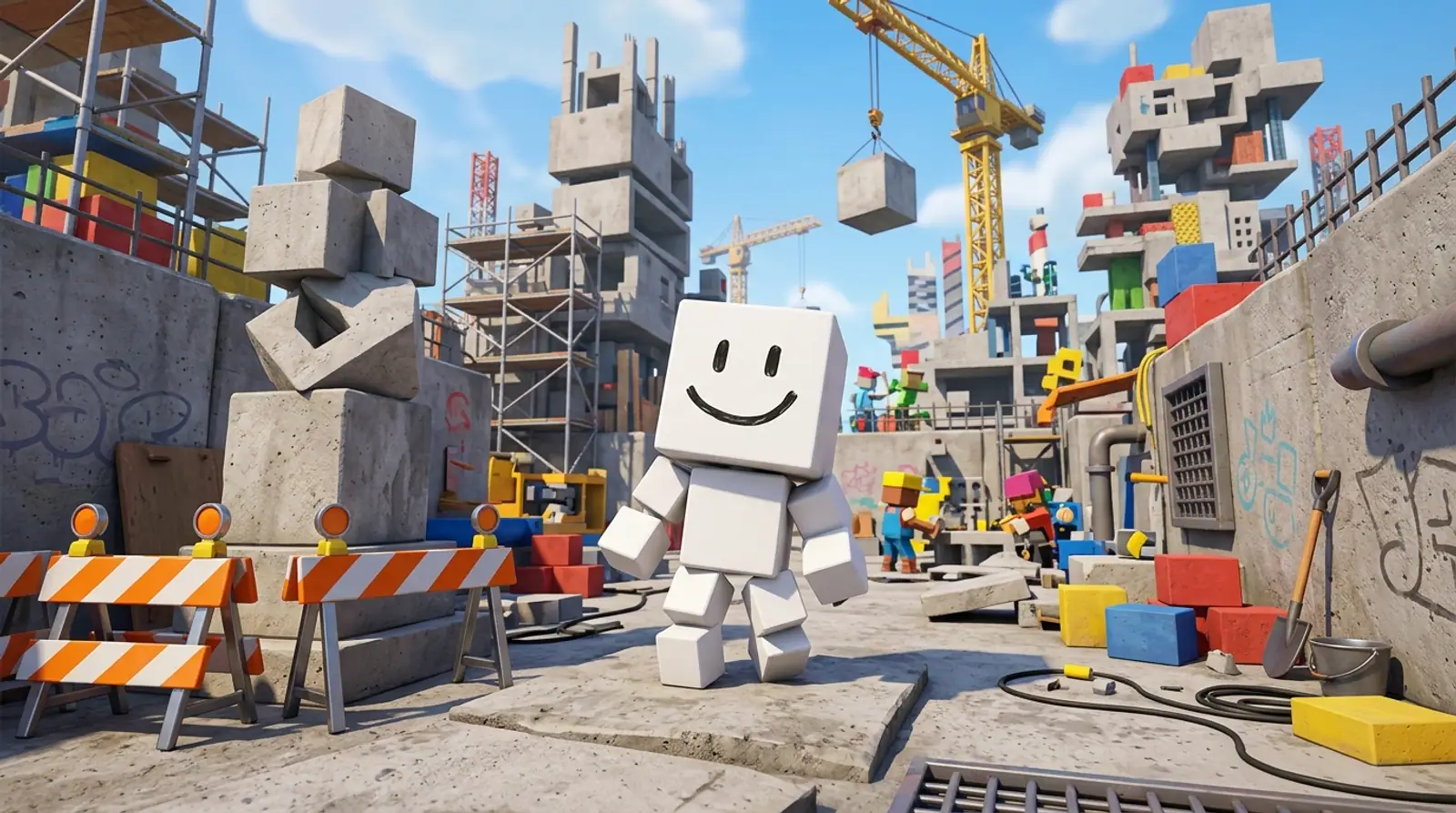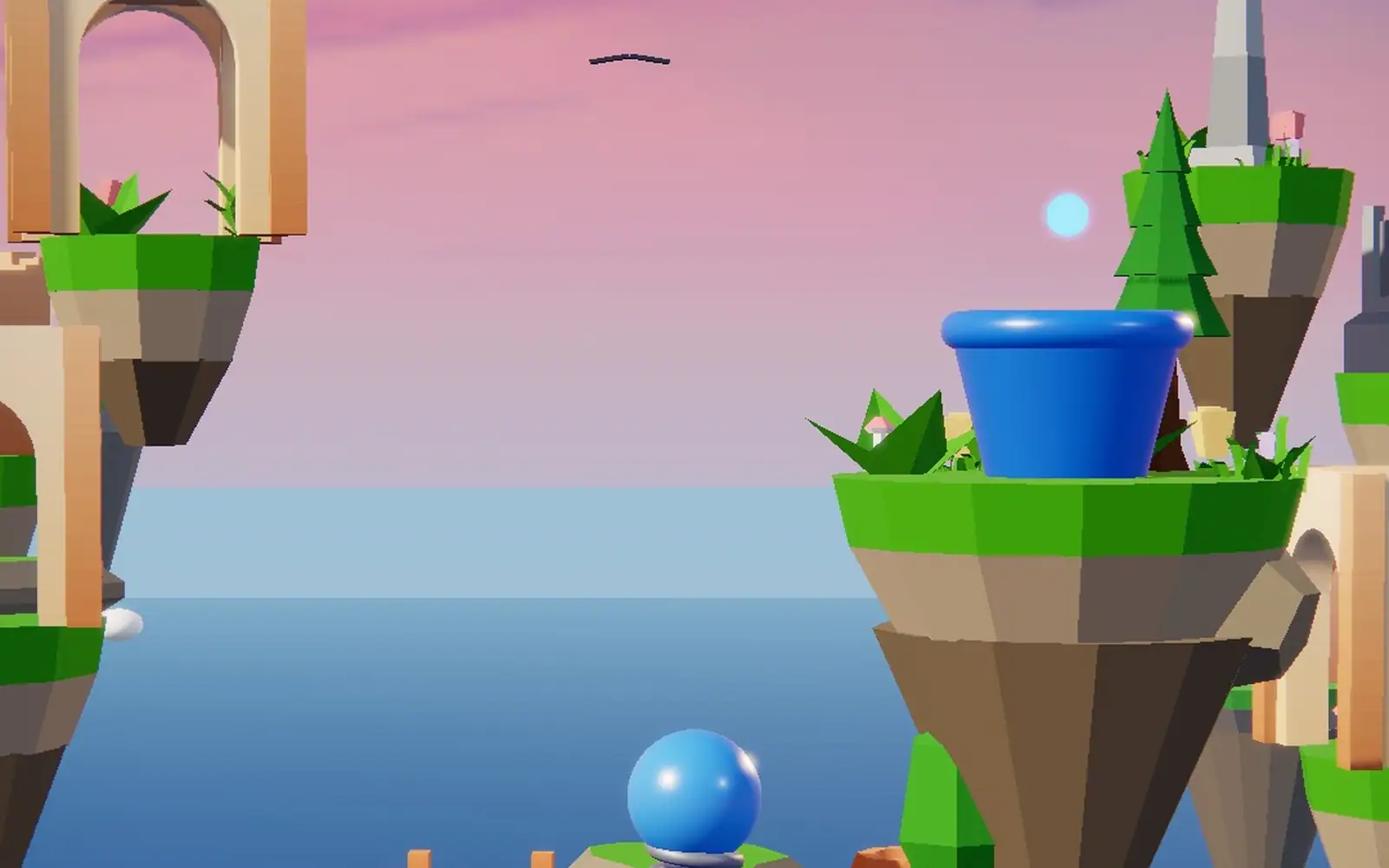
WebGL is the browser feature that lets a web page talk more or less directly to your graphics card. Before it, 3D in a browser meant a plugin you had to install and that never worked on a phone. Since it, a link is the whole installation step. What follows is the short version of what that buys you, then the games that make the best case for it — starting with several we have nothing to do with, because the honest answer to "what are the best WebGL games" does not begin and end with one arcade.
Landmarks worth playing first
These are the demos people point at when they want to show what the technology can do. None of them are ours, all of them are free, and a couple are over a decade old and still hold up.
- HexGL by Thibaut Despoulain is the anti-gravity racer that convinced a lot of people browser 3D was serious. It is still the reference for how fast a WebGL game can feel. (We used to host a copy; we took it down after finding its gameplay files are Creative Commons NonCommercial, which an ad-funded site cannot satisfy — so play it at the author’s own site, which is where it belongs anyway.)
- Sketchfab is not a game, but it is the clearest demonstration of WebGL as infrastructure: millions of 3D models, any of which you can orbit in a tab without installing anything.
- Quake II RTX in WebGPU and the rest of the PlayCanvas showcase are the current high-water mark for what a browser can render, and a useful reminder that WebGL is being succeeded by WebGPU.
- three.js examples is the library’s own gallery. It is not a games site, but half an hour in there explains more about what is possible than any article can, this one included.
What WebGL actually changes
The short version: a game drawn with WebGL is computing geometry and lighting on your GPU, in real time, the same way a native game does. That is different in kind from a 2D game animating sprites, and it is what makes certain designs possible at all. Physics that produces results nobody authored. A camera that can be anywhere. Hundreds of individually animated characters on screen at once.
It is also why these games load the way they do. A 3D game has to fetch its models, textures and audio before it can start, so the first few seconds are a real download — and then nothing after that, because it is all resident. No streaming, no server round trip per frame, no latency. Once it has started, your connection stops mattering.
The ones here that show it off best
- Moto Titans treats lean as a dynamics state rather than a steering input, so counter-steering, wheelies and lowsides fall out of the simulation instead of being animations. It is the clearest case on this site of physics doing something an artist did not draw.
- Fare City keeps a whole drivable city resident with real weight transfer under the cab, and a handbrake that will genuinely step the back end out.
- Gatecrash puts several hundred individually animated soldiers on screen at once by baking their animation into a texture, which collapses the whole crowd into a single draw call.
- Sketchbook is swift502’s open-source three.js and cannon.js playground: an island, a character, and a car, a boat and an aeroplane you can get into and out of at will, with no objective anywhere.

Do you need anything to play them?
No. Every browser released in the last decade supports WebGL and has it switched on: Chrome, Edge, Firefox and Safari, on desktop and on mobile. There is no setting to find and nothing to enable.
A laptop with integrated graphics is fine — these are built to that budget, because that is what most people have. If something does stutter, the first thing worth trying is closing your other tabs: every tab with a 3D scene in it is competing for the same GPU, and a background tab is a surprisingly expensive neighbour.
Where this is going
WebGL is being succeeded by WebGPU, which exposes modern graphics hardware far more directly and is already shipping in Chrome and Edge. For players it changes very little in the short term — the same games, a bit faster, with more of them able to attempt effects that were impractical before. WebGL is not going anywhere for years; almost everything you can play today still runs on it, including everything below.