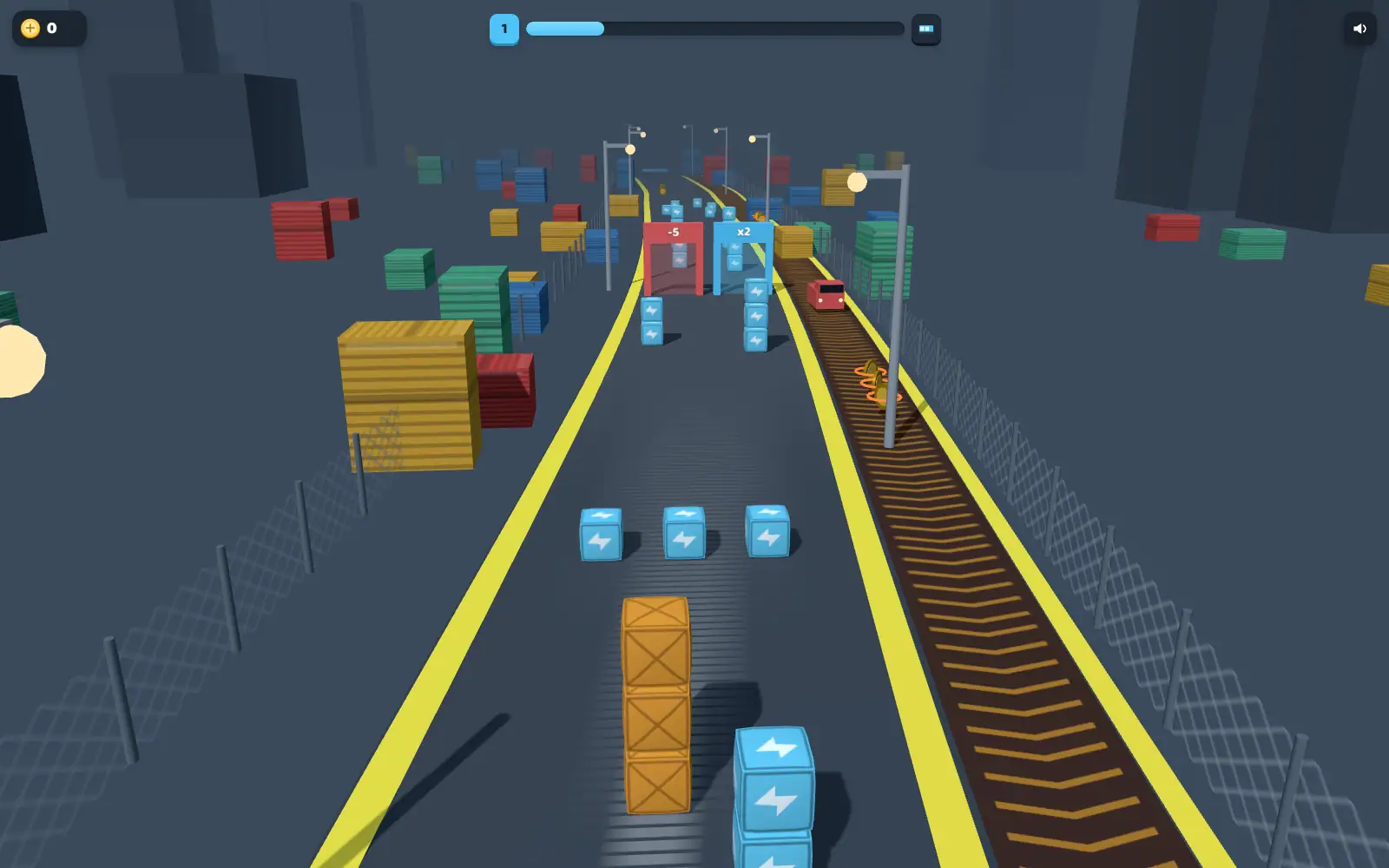
A stack-runner is simple at heart: you are always moving forward, you steer left and right, and whatever you touch either grows your stack or shrinks it. That is really it. But the genre gets its tension from one specific idea, and once you notice it, you will see it in almost every game we build. We call it the danger lane.
It is a second path running next to the main road, marked off by a curb and usually painted with hazard stripes, so nobody can say they were not warned. Coins and gems inside it are worth double. Anything alive or moving inside it will end your run. There is no partial punishment. One touch, and it is over, no matter how tall your stack was a second before.
Five lanes, five different threats
We did not want five copies of the same hazard in different skins, so each game's danger lane is themed to fit its world, and the thing that kills you moves differently in each one:
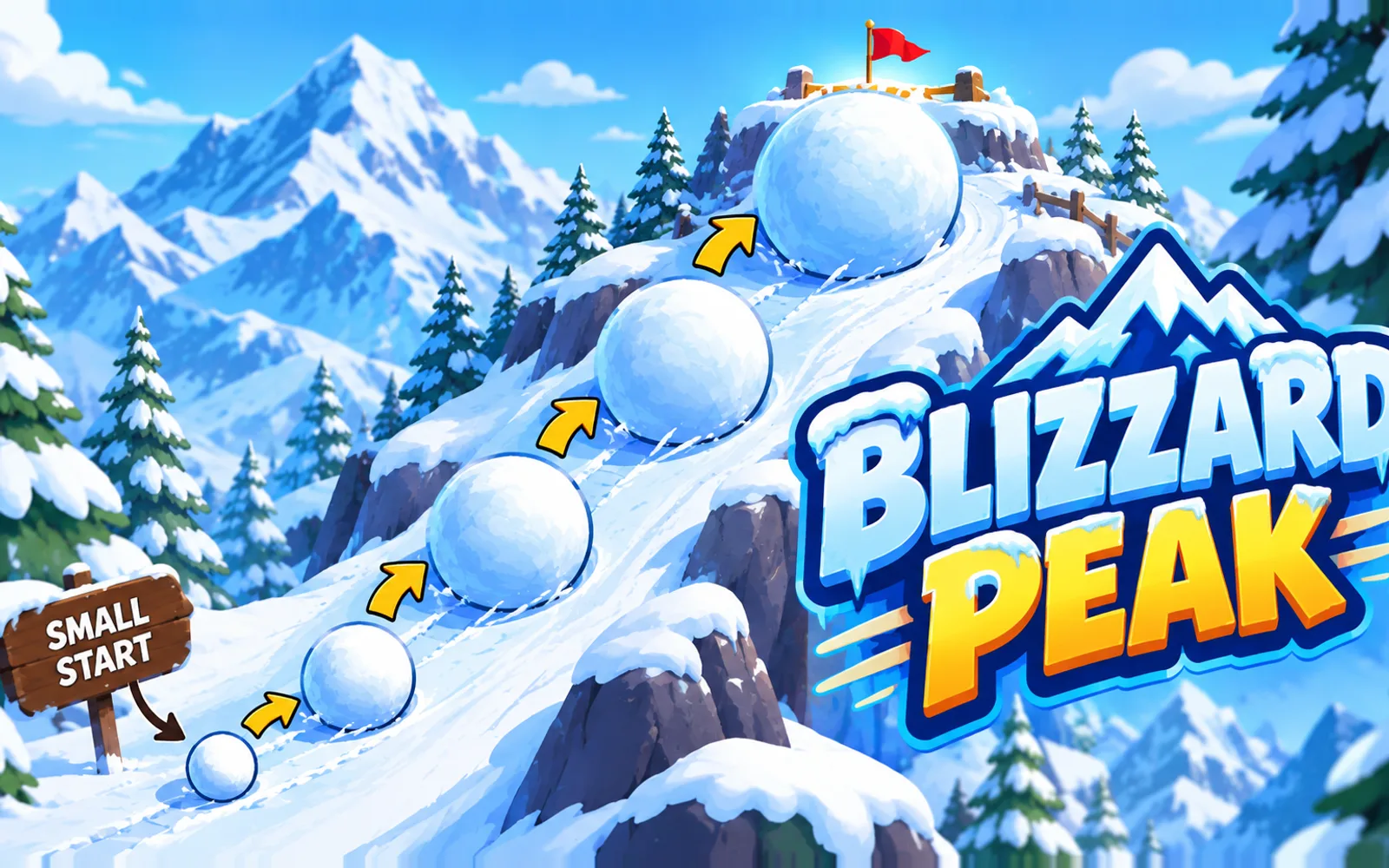
- Blizzard Peak's avalanche chute is the most honest one. Boulders roll down it at a steady pace, so it rewards patience: dip in, grab the gems, get out before the next boulder shows up.
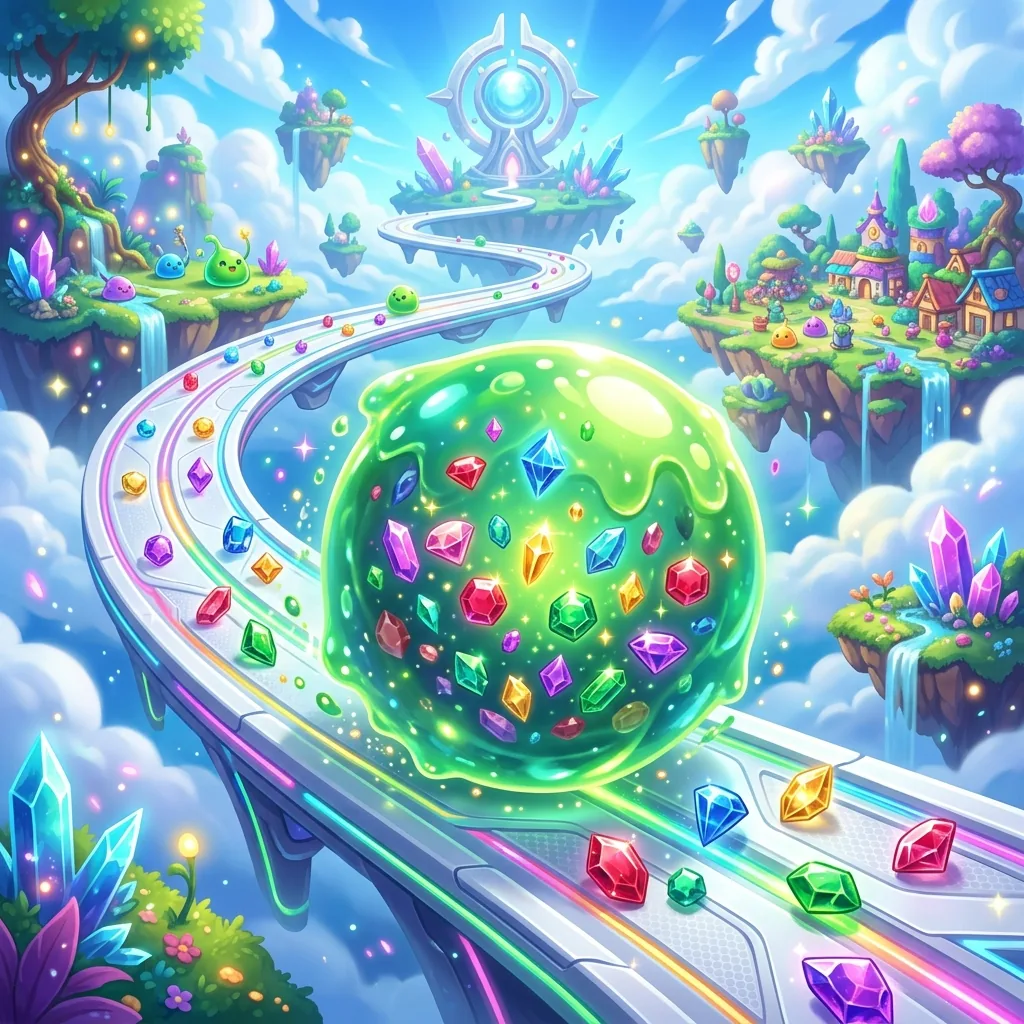
- Ooze Overload's toxic sewer has crawling sludge that drifts instead of charging, which makes it the most forgiving lane to linger in. Right up until you get greedy.
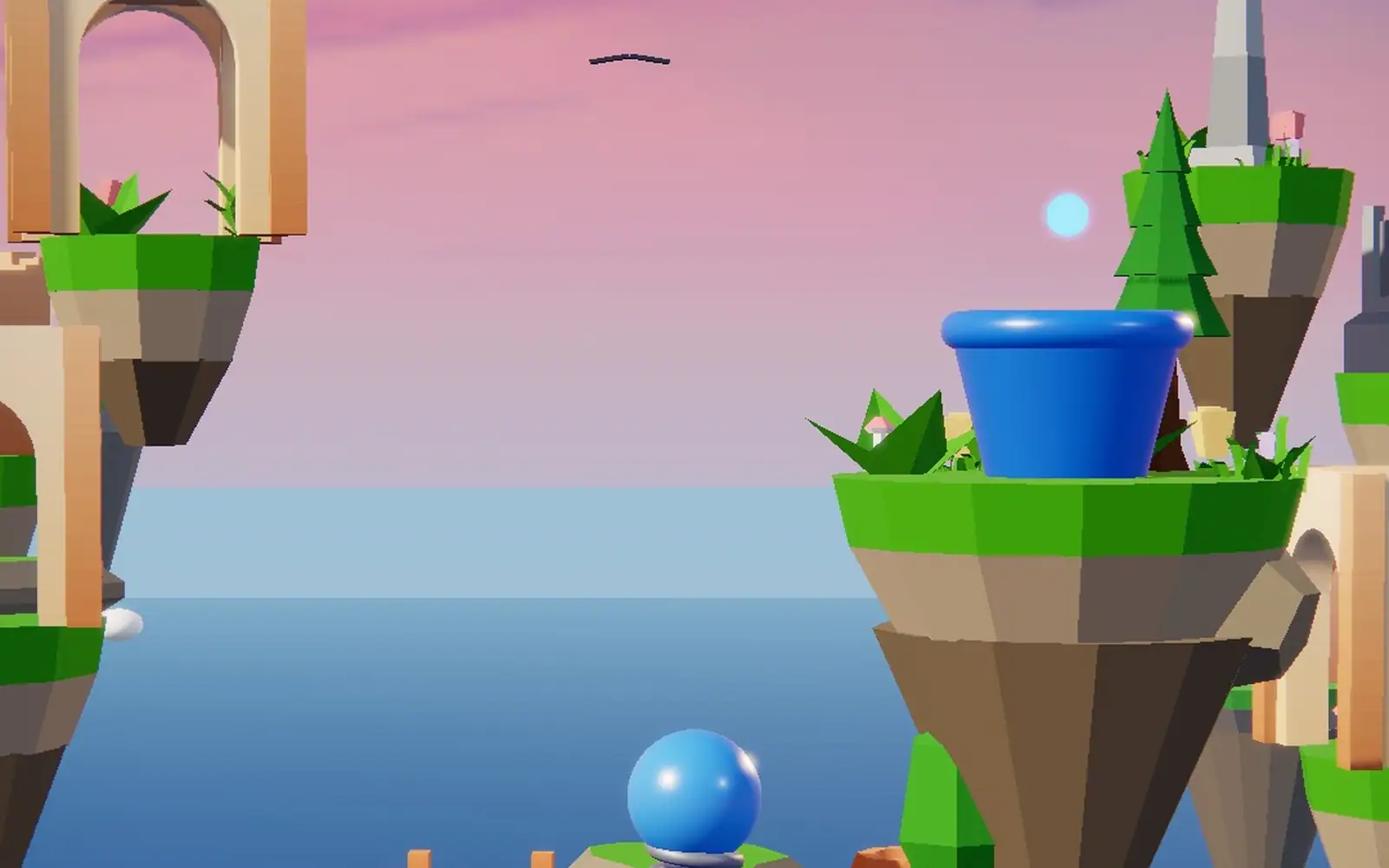
- Sky Convoy's storm corridor throws rolling thunderballs at you, and since you are already weaving through gust gates, it punishes anyone steering on autopilot.
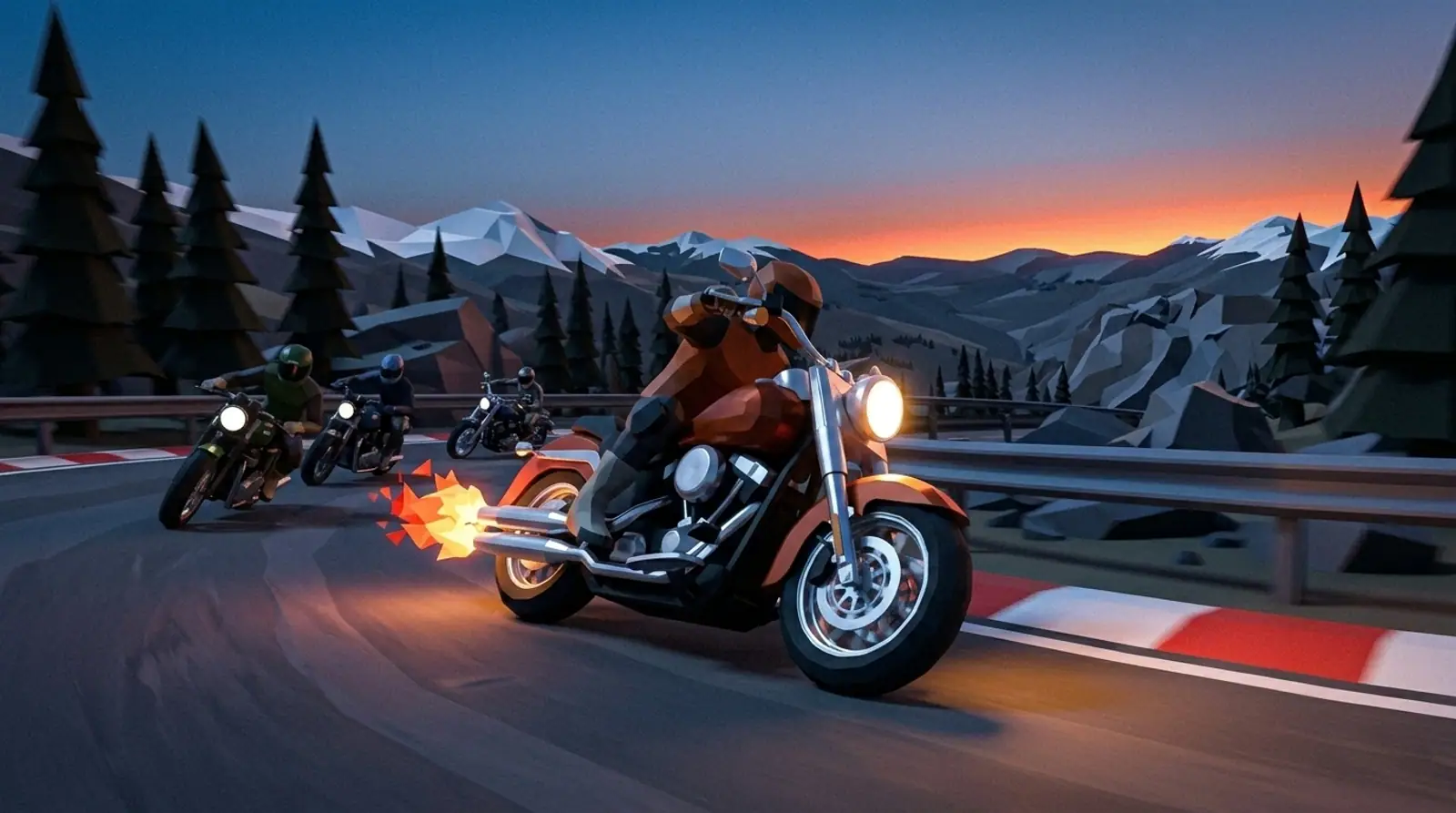
- Herd Rush's wolf territory is the sneaky one. Most of the time it is just an empty lane baiting you in for coin, until a wolf actually runs up it toward you.
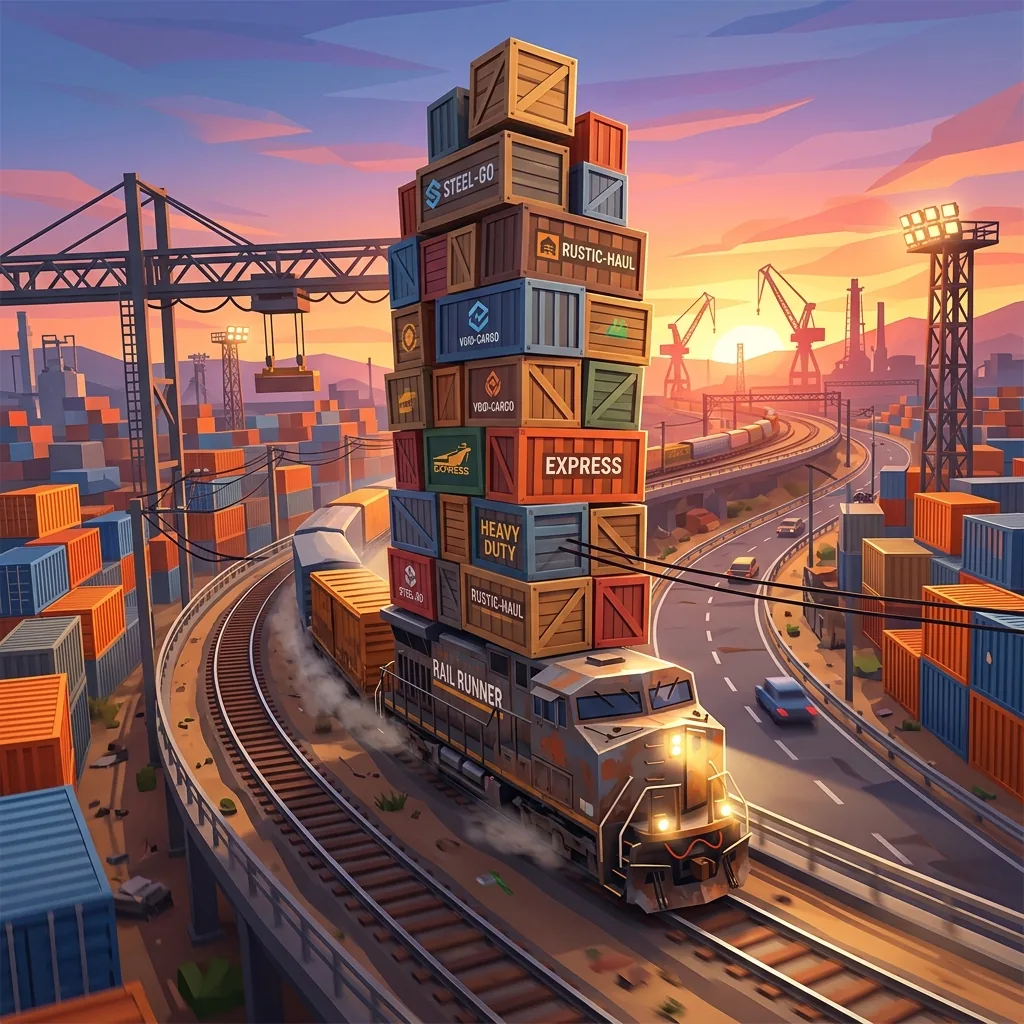
- Rush Freight's oncoming lane is the toughest on reaction time. Real trucks come straight at the camera on a curving road that hides them until they are close.
How to actually play it
On your first run, the instinct is to ignore the danger lane completely, and that is a perfectly fine way to play. The main path alone gets you to the finish. But the coin math is real: everything in that lane pays double, and later levels often put their biggest coin clusters inside it on purpose, to tempt you. A few things that actually help once you decide to go in:
- Treat it as a peek, not a lane change. In most of these games you can clip just the edge of the danger lane, grab whatever is closest to the curb, and pull back out. You do not have to commit to the whole width of it.
- Watch for the guaranteed spawns. Hazards in the danger lane are not random near misses. They sit at fixed points in the level, so the lane always has something to dodge. If you just passed one, you usually have a few safe seconds before the next.
- A bigger stack does not mean a smaller target. A tall stack in Rush Freight or Blizzard Peak looks wide on screen, but the part that matters for collisions is your lead item, not the whole tower. Do not assume height equals danger.
- If a level puts a gate (the x2 or minus 5 pillars) right before a danger-lane stretch, take the gate first. Going in small is how one mistake turns into losing everything. Going in with a healthy stack means one bad touch still ends the run, so there is no reason to rush it while you are thin.

Why we keep building these
The simple reason is that the format fits a browser tab almost perfectly. A run takes thirty seconds to two minutes, losing costs you nothing but pride, and trying again is always one click away. The danger lane is what keeps a fifth or sixth run from feeling the same as the first. It is a standing offer to take on more risk than the level actually needs, and whether you take it changes every run.
If you have not played all five yet, each one takes about ninety seconds to learn, and stays interesting a lot longer than that. They live alongside the rest of our browser runner games, including a few true endless runners if you want the speed to never actually stop.